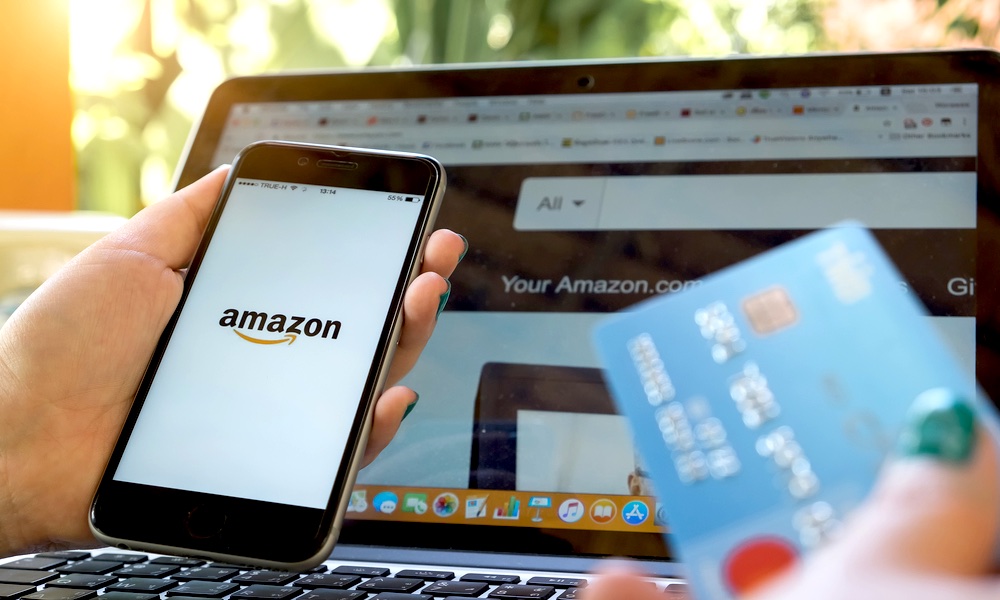

Digital games have made spending almost effortless.
A cosmetic item can cost a few dollars. A seasonal pass may seem inexpensive. Mobile games can offer small bundles, while real-money platforms allow users to make deposits quickly.
Because each transaction can look minor on its own, players sometimes underestimate how much they spend over an entire month.
The solution does not have to involve giving up paid gaming entirely. A simple entertainment budget can make the total visible and help users decide whether their spending still matches the value they receive.
Why Small Purchases Are Easy to Forget
People tend to remember large purchases.
A new console or expensive game is noticeable because it creates one significant transaction.
Small purchases are different.
Five dollars here and ten dollars there can disappear into ordinary spending.
If a game stores payment information, the transaction may take only seconds.
The player receives the item immediately and moves on.
At the end of the month, memory may include only the most enjoyable purchases rather than the total amount.
This is why reviewing actual transaction history is more useful than guessing.
Start With One Monthly Entertainment Number
Instead of creating separate complicated rules for every game, begin with one overall monthly amount.
This budget can include:
- New games
- Subscriptions
- Cosmetic items
- Battle passes
- Downloadable content
- Mobile purchases
- Real-money gaming, if legally permitted
The number should come from money available after essential expenses and savings obligations are considered.
Once the total is chosen, different gaming purchases compete with one another inside the same budget.
That creates useful perspective.
Buying one expensive item may mean skipping several smaller ones.
Separate Purchases From Wagering
Ordinary gaming purchases and real-money wagers are financially different.
Buying a cosmetic item provides a defined digital product.
A wager can result in losing the money used.
Users should therefore keep these categories visible rather than treating them as identical entertainment expenses.
Someone exploring services such as Rajacuan should be particularly careful not to confuse deposited money with ordinary game purchases because real-money gaming includes financial uncertainty.
Turn Off One-Click Purchases When Necessary
Convenience can reduce the time available for reconsideration.
If a player repeatedly makes purchases and regrets them later, removing saved payment details can help.
Requiring a password or additional approval introduces a small pause.
That pause is often enough to ask whether the purchase is actually wanted.
Parents should consider similar controls on family devices.
Games designed for broad audiences can make buying digital items extremely simple, and children may not fully understand that virtual currency represents real money.
Use a 24-Hour Rule for Nonessential Items
Limited-time cosmetics and bundles are designed to create urgency.
When possible, wait before purchasing.
A 24-hour rule works particularly well for higher-priced optional items.
If the purchase still feels worthwhile the next day, it can be reconsidered.
If interest disappears once the immediate excitement passes, the delay has prevented an unnecessary expense.
Not every low-cost purchase needs a full day of thought, but the general principle is useful: time weakens impulse.
Watch Subscription Creep
Gaming subscriptions can offer excellent value.
The problem begins when users maintain several services they rarely use.
Because payments renew automatically, inactive subscriptions can continue for months without attracting much attention.
A quarterly subscription review can identify which services are genuinely useful.
Ask:
When did I last use this?
What would I lose if I cancelled?
Could I restart it later if needed?
Rotating subscriptions can sometimes be more economical than keeping every service active simultaneously.
Keep Real-Money Limits Separate and Firm
If someone participates in legal real-money gaming, the limit should be predetermined and treated as the maximum possible cost of entertainment.
A win should not automatically increase the budget.
A loss should definitely not increase it.
Depositing additional money to recover a previous result breaks the original plan.
Users evaluating Rajacuan can find out more through the destination itself, but platform availability, promotions, or game variety should never determine how much an individual can afford to use.
The budget must come first.
Review Promotions Through the Budget
A promotion can make spending feel more efficient.
“Spend this amount and receive extra value” sounds attractive.
The correct question is whether the user planned to spend that amount in the first place.
If a person intended to use $20 but increases the transaction to $50 solely to unlock a bonus, the promotion has increased spending rather than saved money.
That does not necessarily make every promotion bad.
It simply means the offer should fit the budget rather than redefine it.
Track Both Deposits and Withdrawals
Real-money gaming can distort memory.
Memorable wins stand out more strongly than repeated smaller losses.
Keeping a simple record of total deposits and withdrawals provides a clearer financial picture.
The goal is not to turn entertainment into accounting.
A basic monthly note is enough.
For example:
Total deposited: X
Total withdrawn: Y
Net entertainment cost: X minus Y
Seeing the actual number prevents selective memory from controlling future decisions.
Measure Value in Hours and Enjoyment
Gaming spending can also be evaluated by entertainment value.
A $40 game played for months may feel more worthwhile than several $10 purchases forgotten within a week.
This is subjective.
There is no universal cost-per-hour rule.
The useful question is whether the purchase added enough enjoyment to justify its place in the budget.
Over time, players can identify which types of spending they consistently value and which tend to create regret.
Review the Budget Without Judgment
A monthly review should be practical rather than emotional.
If spending exceeded the intended amount, ask why.
Was there an unexpected release?
Too many small transactions?
A subscription that should have been cancelled?
Repeated deposits after losses?
Understanding the cause makes next month’s plan more realistic.
Shame does not improve budgeting. Clear information does.
Final Thoughts
Digital gaming makes spending convenient, but convenience can hide the total cost.
One monthly entertainment budget, purchase delays, subscription reviews, transaction tracking, and strict real-money limits can make gaming finances easier to understand.
The goal is not to remove enjoyment.
It is to make sure spending continues to reflect deliberate choices.
Whether money is being used for a new release, digital items, subscriptions, or a platform such as Rajacuan, the most important number is not the size of the promotion or potential reward.
It is the amount the user decided they could comfortably spend before opening the game.