
Introduction: A Sparkling New Era in Jewelry
Diamonds have long been considered one of the most coveted and prestigious gemstones in the world. However, as sustainability and ethical concerns become more important to consumers, lab-grown diamonds have emerged as a compelling alternative. Whether you’re buying a diamond ring, necklace, or another piece of jewelry, choosing a lab-made diamond can offer the same brilliance and beauty as a mined diamond, but with significant advantages. This article explores why buying lab-grown diamonds is a smart choice for many shoppers today.
What Are Lab-Grown Diamonds?
Lab-grown diamonds, also known as man-made or synthetic diamonds, are diamonds that are created in a controlled environment. Unlike natural diamonds buy lab grown diamonds, which take millions of years to form deep within the Earth, lab-made diamonds are produced in laboratories using advanced technological processes. These processes simulate the high-pressure, high-temperature conditions that occur in nature, leading to the creation of diamonds that are chemically, physically, and optically identical to their natural counterparts.
The Two Primary Methods of Creating Lab-Grown Diamonds
There are two main methods used to create lab-grown diamonds: High Pressure High Temperature (HPHT) and Chemical Vapor Deposition (CVD).
-
HPHT Method: This method replicates the natural diamond formation process by using high pressure and temperature to convert carbon into diamond. The HPHT method is typically used for producing smaller diamonds, although larger stones are also possible.
-
CVD Method: The CVD method involves using a gas mixture to deposit carbon atoms onto a substrate, which slowly builds up to form a diamond. This process is highly controlled, allowing for larger diamonds with fewer impurities.
Both methods produce diamonds that are chemically identical to natural diamonds and are certified for their authenticity.
Benefits of Buying Lab-Grown Diamonds
There are several compelling reasons why lab made diamonds have become increasingly popular among consumers. From cost savings to ethical sourcing, these diamonds offer a variety of advantages.
1. Ethical and Sustainable Sourcing
One of the most significant concerns surrounding traditional diamond mining is its environmental and human impact. Many diamond mining operations have been linked to poor labor conditions, exploitation, and environmental degradation. By choosing lab-made diamonds, you are supporting a product that is created in a controlled, sustainable manner, with minimal environmental impact.
Lab-grown diamonds eliminate the need for destructive mining practices, which helps protect ecosystems and reduces the carbon footprint associated with diamond production. For consumers who are passionate about sustainability and ethics, buying a lab-grown diamond offers peace of mind.
2. Cost-Effectiveness
Lab-made diamonds are typically much more affordable than their mined counterparts, despite offering the same level of beauty and quality. The reason for this price difference is simple: lab-grown diamonds do not require the extensive labor, energy, and resources involved in traditional mining. As a result, consumers can enjoy significant savings while still purchasing a high-quality diamond.
For example, lab-grown diamonds can cost anywhere from 20% to 40% less than mined diamonds of similar size and quality. This affordability makes it easier for consumers to purchase larger diamonds or allocate their budget towards other aspects of their jewelry, such as the setting or additional gemstones.
3. Transparency and Certification
When you buy a lab-made diamond, you can expect transparency in the diamond’s creation and certification. Lab-grown diamonds are typically accompanied by certification from reputable gemological laboratories, such as the Gemological Institute of America (GIA) or the International Gemological Institute (IGI). This certification ensures that the diamond meets specific quality standards, including its carat weight, cut, clarity, and color.
Mined diamonds, on the other hand, may not always come with the same level of transparency, especially in regions where diamond mining practices are poorly regulated. By purchasing a lab-made diamond, you can be confident in the diamond’s quality and authenticity.
4. No Compromise on Quality or Beauty
One of the biggest misconceptions about lab-grown diamonds is that they are inferior to mined diamonds in terms of quality. This is simply not true. Lab-grown diamonds are identical to natural diamonds in every way, from their chemical composition to their physical properties. In fact, many jewelers and diamond experts cannot distinguish between the two without the use of specialized equipment.
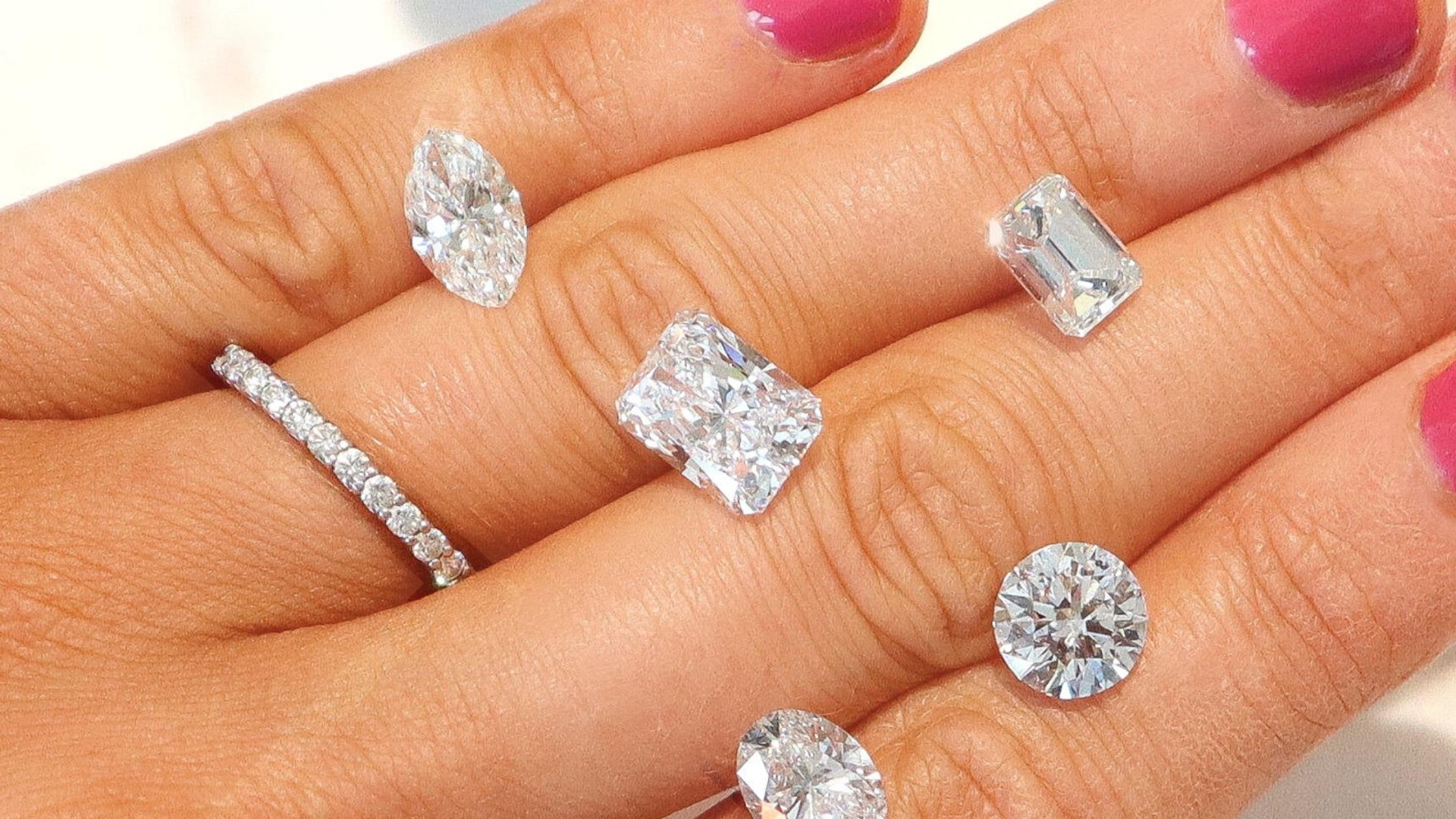
When it comes to appearance, lab-grown diamonds can be just as stunning as mined diamonds. They exhibit the same brilliance, sparkle, and clarity, making them an excellent choice for engagement rings, wedding bands, and other fine jewelry.
Comparing Lab-Grown Diamonds to Mined Diamonds
1. Durability
Both lab-grown and mined diamonds are equally durable, scoring a perfect 10 on the Mohs scale of hardness. This means that whether you choose a lab-made or mined diamond, you can expect your gemstone to withstand scratches and daily wear.
2. Rarity
While natural diamonds are rare and take millions of years to form, lab-made diamonds can be produced in a matter of weeks. This doesn’t make lab-grown diamonds any less valuable, but it does contribute to their lower cost. For consumers looking for a unique piece of jewelry, the rarity of a mined diamond may still hold appeal.
3. Resale Value
One area where mined diamonds typically outperform lab-grown diamonds is resale value. Mined diamonds tend to retain their value better over time, while lab-grown diamonds may not fetch as high a resale price. However, for those who plan to wear their diamond for a lifetime or pass it down as a family heirloom, this difference may not be a major concern.
How to Buy Lab-Grown Diamonds
Buying a lab-grown diamond is a simple process that follows the same steps as purchasing a natural diamond. Start by determining your budget, preferred size, and the 4 Cs (cut, color, clarity, and carat weight). Once you have an idea of the specifications you’re looking for, browse reputable jewelers who specialize in lab-made diamonds.
It’s also essential to check for proper certification and to request a diamond grading report to ensure that you are getting a high-quality product. Many online retailers provide detailed images and 360-degree views of their diamonds, making it easier for you to assess the stone’s quality and appearance.
Conclusion: Is Buying a Lab-Grown Diamond Right for You?
When it comes to purchasing a diamond, lab-grown diamonds are an excellent option for those looking for an ethical, affordable, and high-quality alternative to mined diamonds. With advancements in technology and increased awareness about environmental and social issues, lab-made diamonds are becoming more popular than ever before.
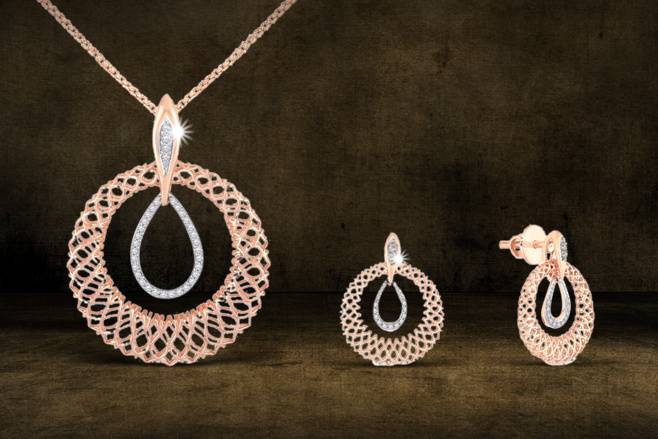
Whether you’re looking to buy an engagement ring, a pendant, or a pair of earrings, lab-grown diamonds offer the same brilliance and durability as their natural counterparts—without the hefty price tag. Plus, by choosing a lab-made diamond, you’re supporting a more sustainable and ethical industry, which is something that appeals to many modern consumers.
In the end, the decision to buy a lab-grown diamond comes down to personal preference. If you value sustainability, cost-effectiveness, and quality, a lab-grown diamond is an ideal choice.